June 30, 2026
June 2026 Portfolio Update: The brakes come first.
A generated June 2026 portfolio update from project history and release notes across the open agent stack: brakes, monitors, isolation, memory, and publishing surfaces.
June 2026 Portfolio Update: The brakes come first.
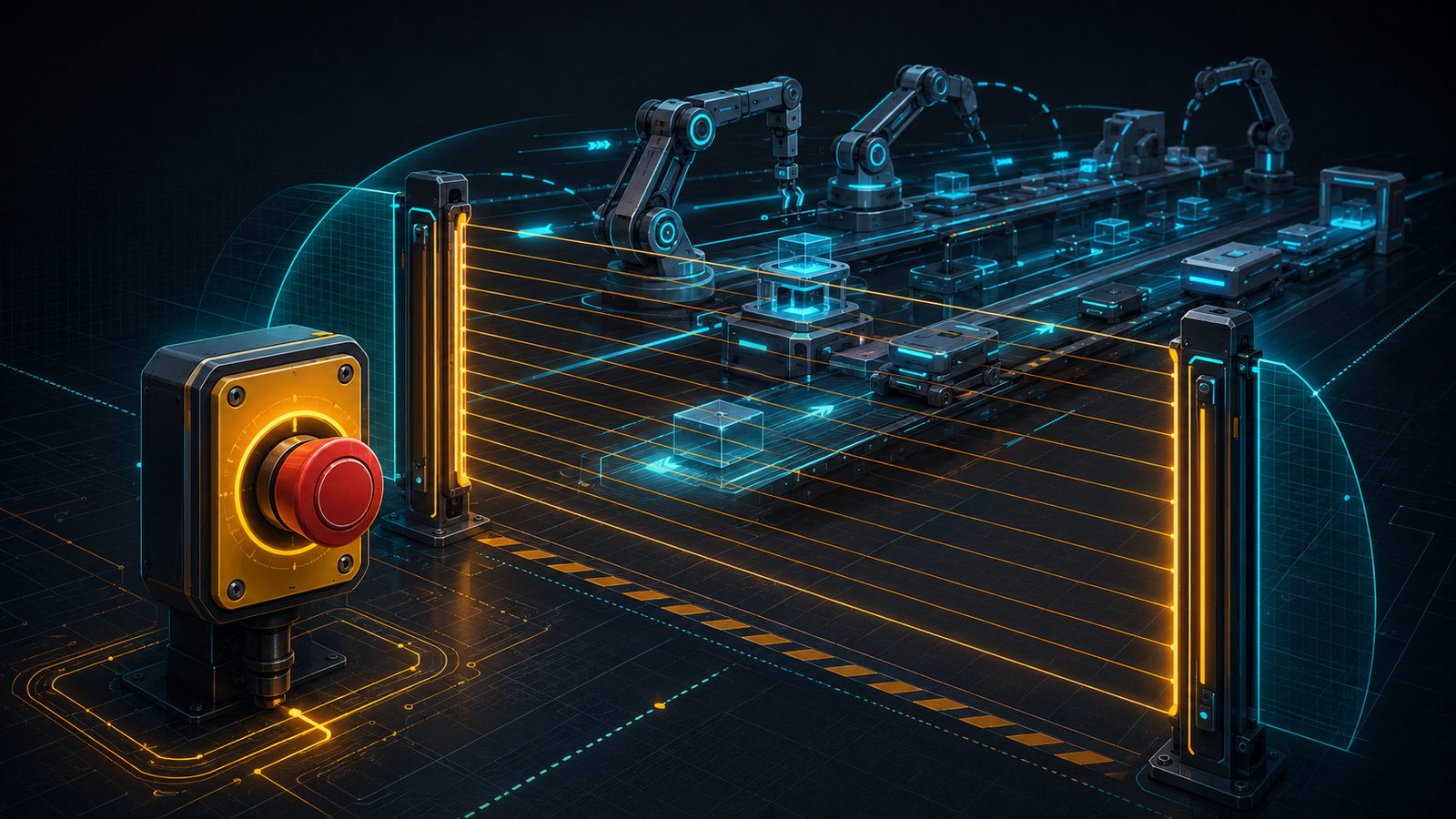
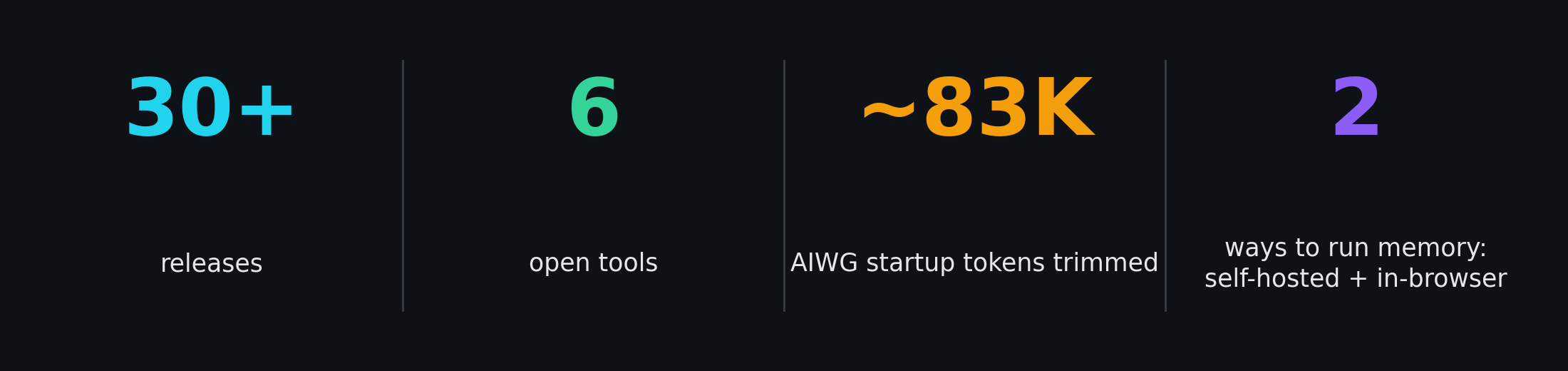
June was a build month.
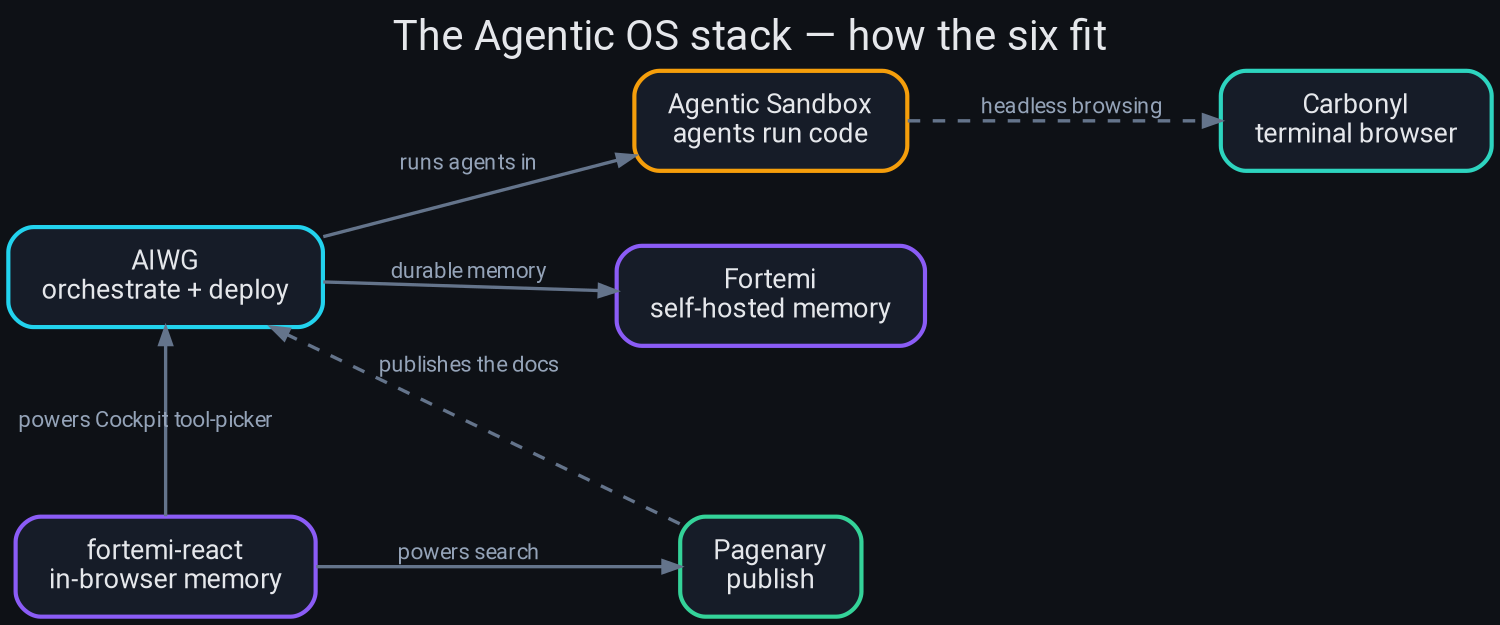
AIWG shipped a cockpit. The sandbox hardened its VM path and its verified connections. Fortemi moved deeper into streaming memory and inbound events. Pagenary learned how to publish blogs. Carbonyl stayed in the maintenance lane. Fortemi React kept the browser-side memory surface moving.
June also put the stack in public, human rooms. We attended a16z's Boston and New York Tech Week events, met a long list of founders, operators, investors, and product teams, and left grateful for the hosts and organizers who made those rooms useful. The quiet proof point for us was that the agent stack came along as working infrastructure: our AI tools acted as personal assistants across the week, helping keep schedules straight, notes usable, and attention pointed toward the right rooms and the right conversations. The events were the story. The tools did what good tools should do: stay mostly out of the way while making the work sharper.
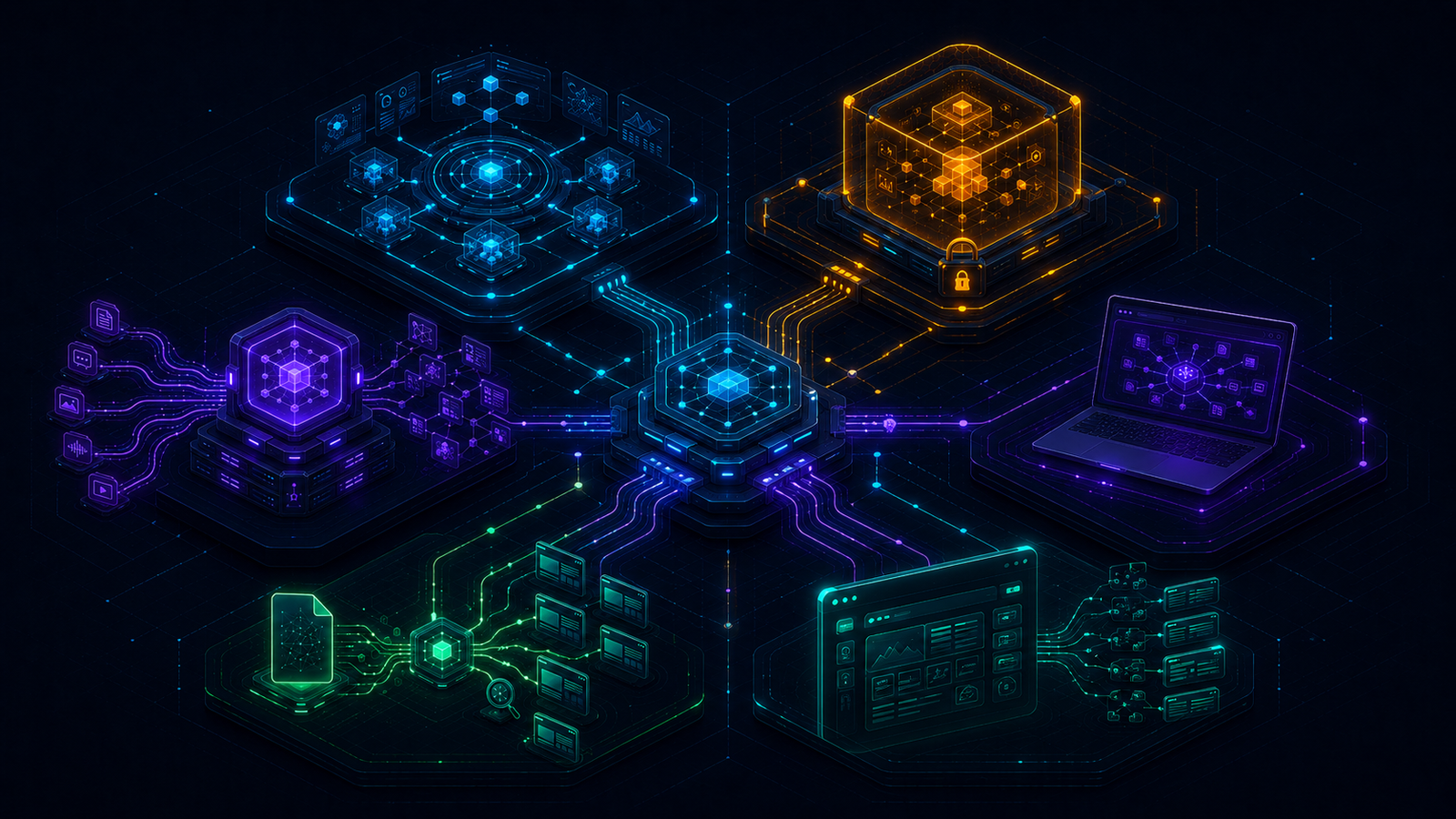
That sounds like a stack update, and it is. But the through-line is older than the stack.
The brakes come first.
I learned that in industrial systems before I had the words for bounded AI. A robot fleet can be fast, adaptive, and useful, but none of that matters if the system cannot stop cleanly when its confidence, context, or operating envelope changes. The safety layer is not decoration around the primary system. It is the reason the primary system is allowed to move.
That is still how I think about agents.
An agent that can run tools, write files, open terminals, call APIs, and coordinate other agents is not a chatbot anymore. It is an actuator. Once software can act, the important question shifts from "can it do the task?" to "what bounds the task while it is doing it?"
In June, most of the useful work landed around those bounds.
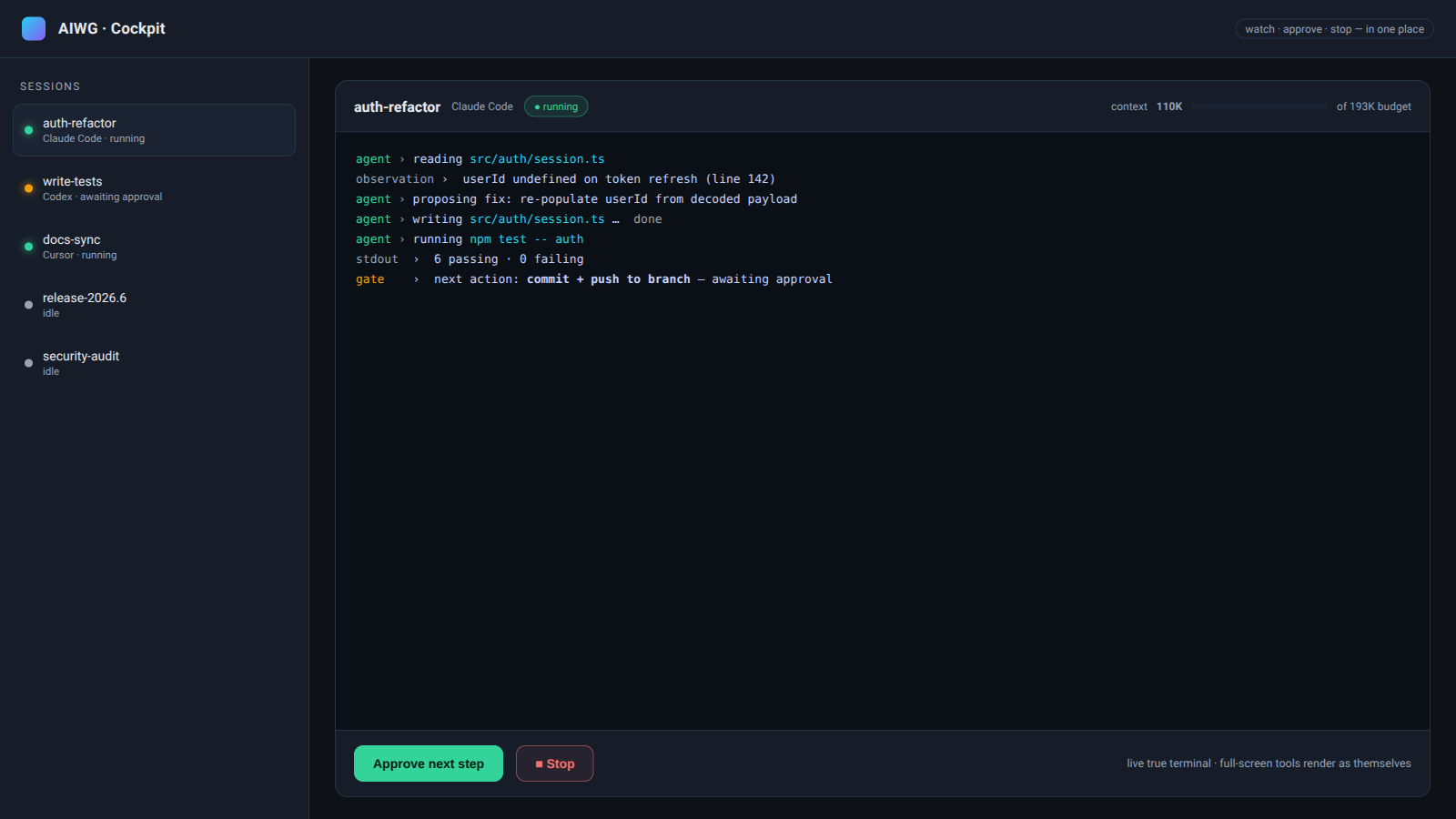
AIWG got better at showing what agents are doing and giving operators a place to steer them. That matters because opaque automation is not autonomy; it is just unsupervised state change. The Cockpit work is not a prettier console. It is an operator surface. You should be able to see a session, understand the posture it is running under, and interrupt or redirect it without spelunking through logs.
The sandbox work is the same argument at the runtime layer. Verified connections, VM enrollment, gateway SSH, and more reliable lifecycle handling are not glamorous features, but they are the difference between "an agent ran somewhere" and "an agent ran in a place with walls." If the agent is going to execute code, then the execution environment has to be designed as part of the product.
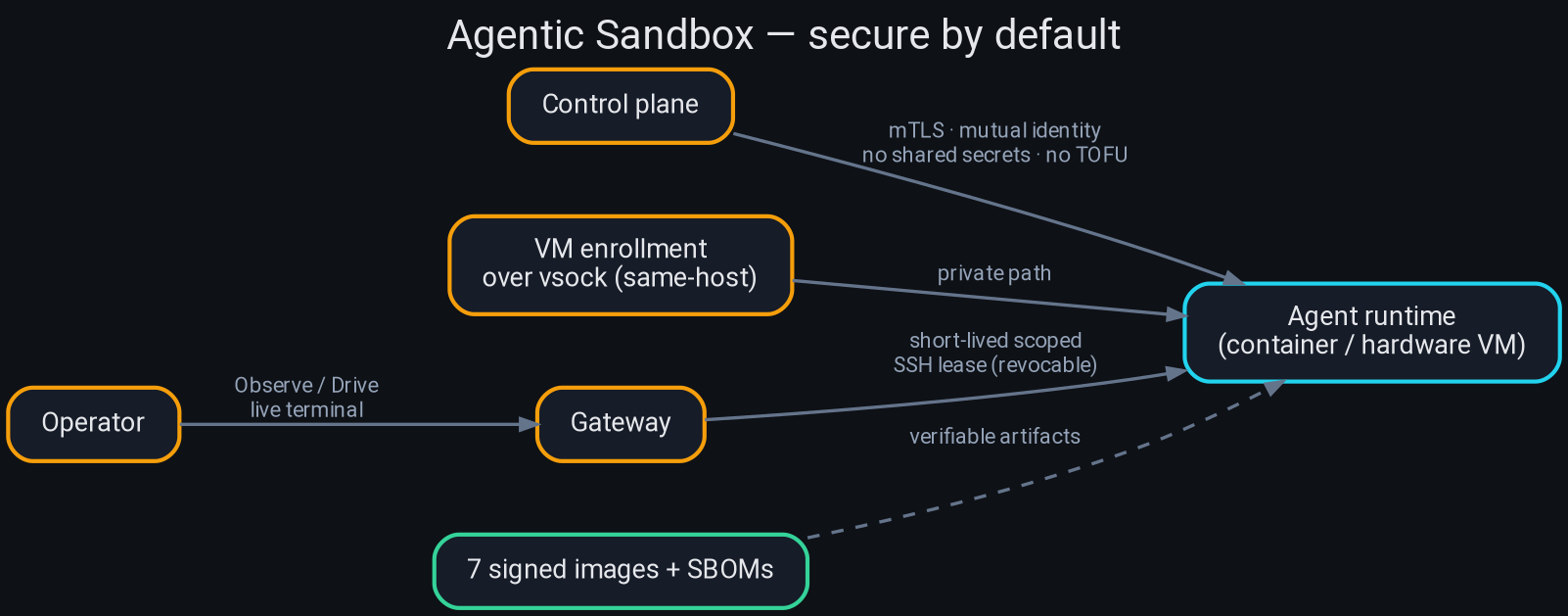
Full agentic-sandbox June report
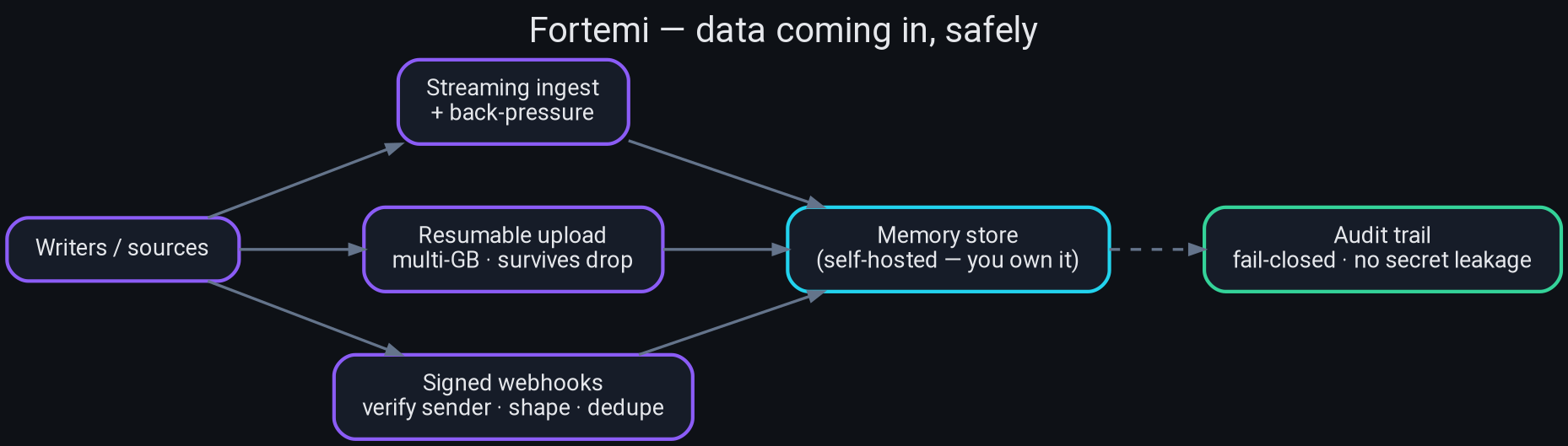
Memory has the same shape. Fortemi's June work around streaming chat, signed incoming webhooks, resumable ingest, redaction, audit logging, and fail-closed startup is not just about making an assistant remember more. Memory is a control surface. What comes in, what is trusted, what is retained, what is redacted, and what can be replayed all become part of the safety case.
The browser build matters because a lot of agent work ends up needing to be inspectable by people. Fortemi React kept pushing the local, visible memory interface: graph layout, tool intent, static-file backends, and browser-side interaction patterns. A good agent stack needs headless power, but it also needs surfaces where a human can read the state without becoming an archaeologist.
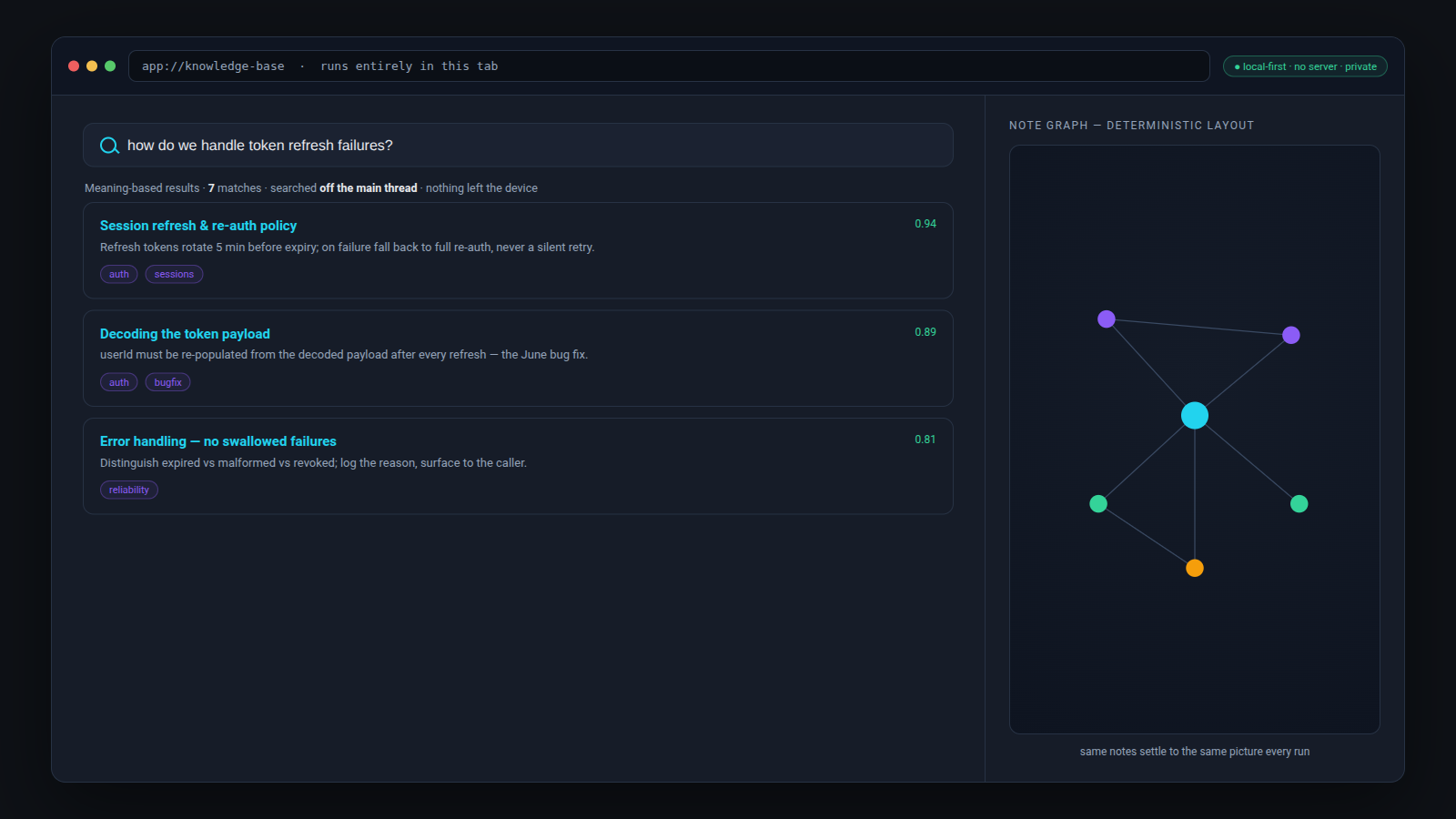
Full fortemi-react June report
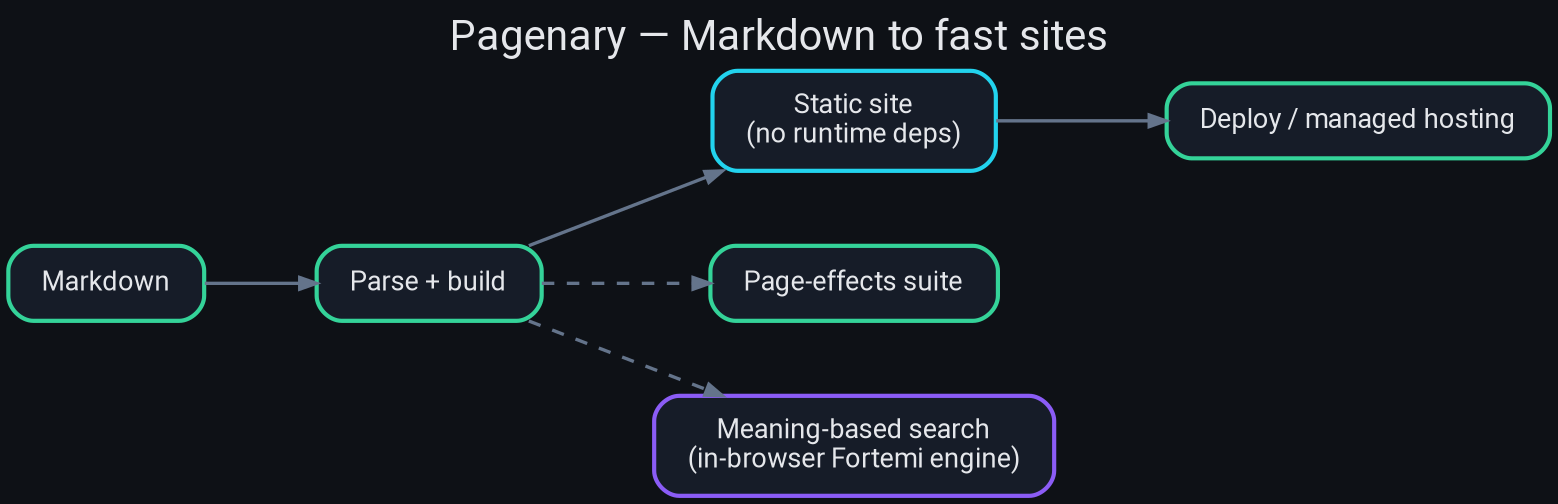
Pagenary's blog work looks like publishing infrastructure, but I think of it as part of the same loop. Systems that cannot explain themselves drift. Monthly reports, docs, maps, search, and simple public pages force a stack to say what changed and why. The blog layout family is useful because it turns the record into a habit instead of a one-off artifact.
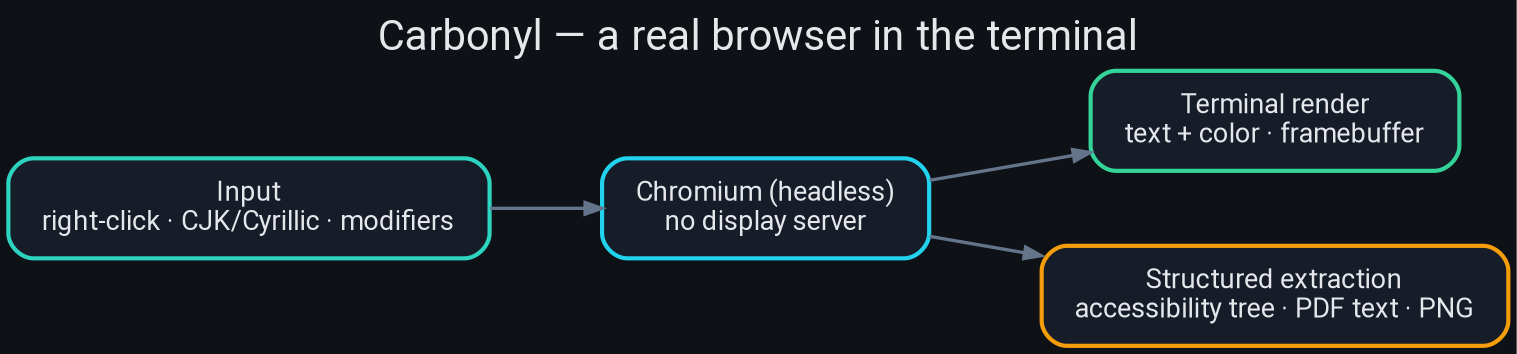
Carbonyl was quieter. That is fine. Some months are about moving the boundary; some months are about keeping the edge from drifting. Maintenance and QA are part of the brakes too.
The mistake I see in AI systems is treating safety as a later pass. First make it powerful, then make it safe. First give it tools, then figure out policy. First let it roam, then add monitoring.
That order is backwards.
The brake is not the opposite of speed. It is what lets speed be used.
The same pattern shows up whether the machine is a warehouse robot, a VM-hosted coding agent, a memory service ingesting events, or a publishing system carrying the changelog. The useful work is not only the model, the tool call, or the generated patch. The useful work is the envelope around it: isolation, provenance, operator visibility, redaction, verification, and the ability to stop.
That is the direction for the stack after June.
More capability, but only where the operating envelope is getting clearer at the same time. More autonomy, but with better independent monitors. More memory, but with explicit intake and audit boundaries. More publishing, because if the system cannot explain what changed, it is not ready to be trusted.
That is the long direction: verifiable, fully autonomous operations where the system can act, show its work, prove its bounds, and stop cleanly when those bounds are no longer true.
The brakes come first.